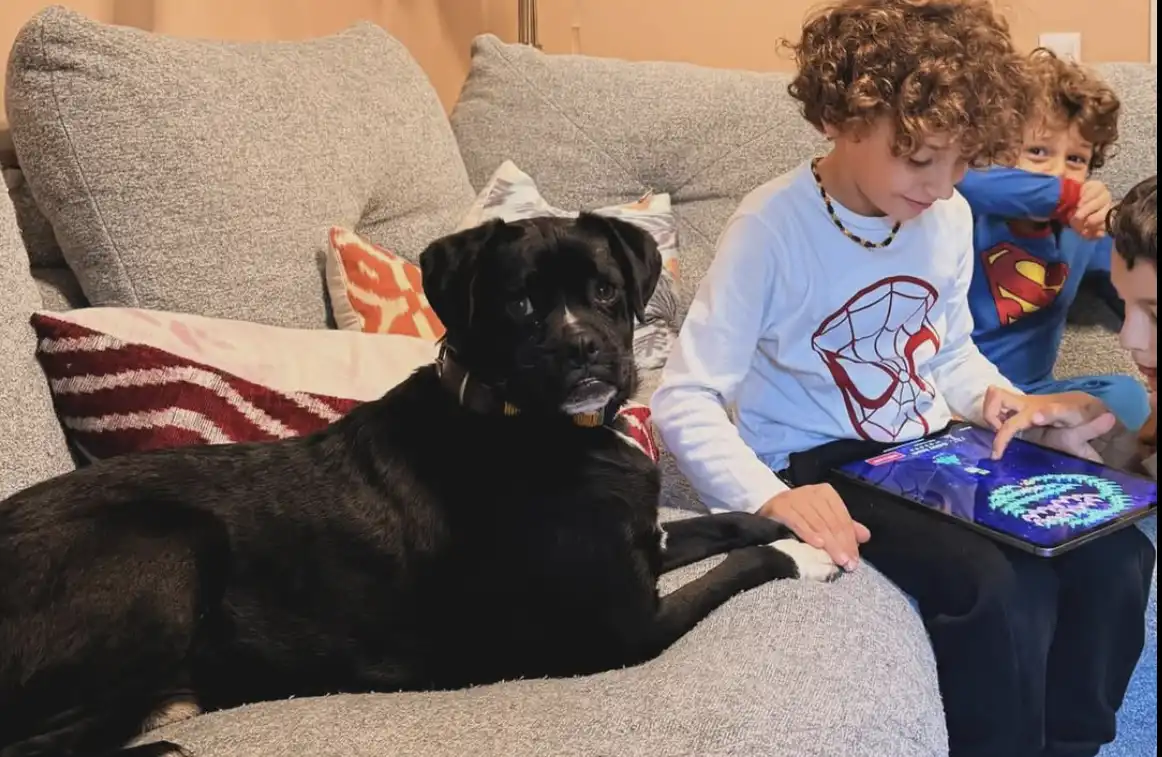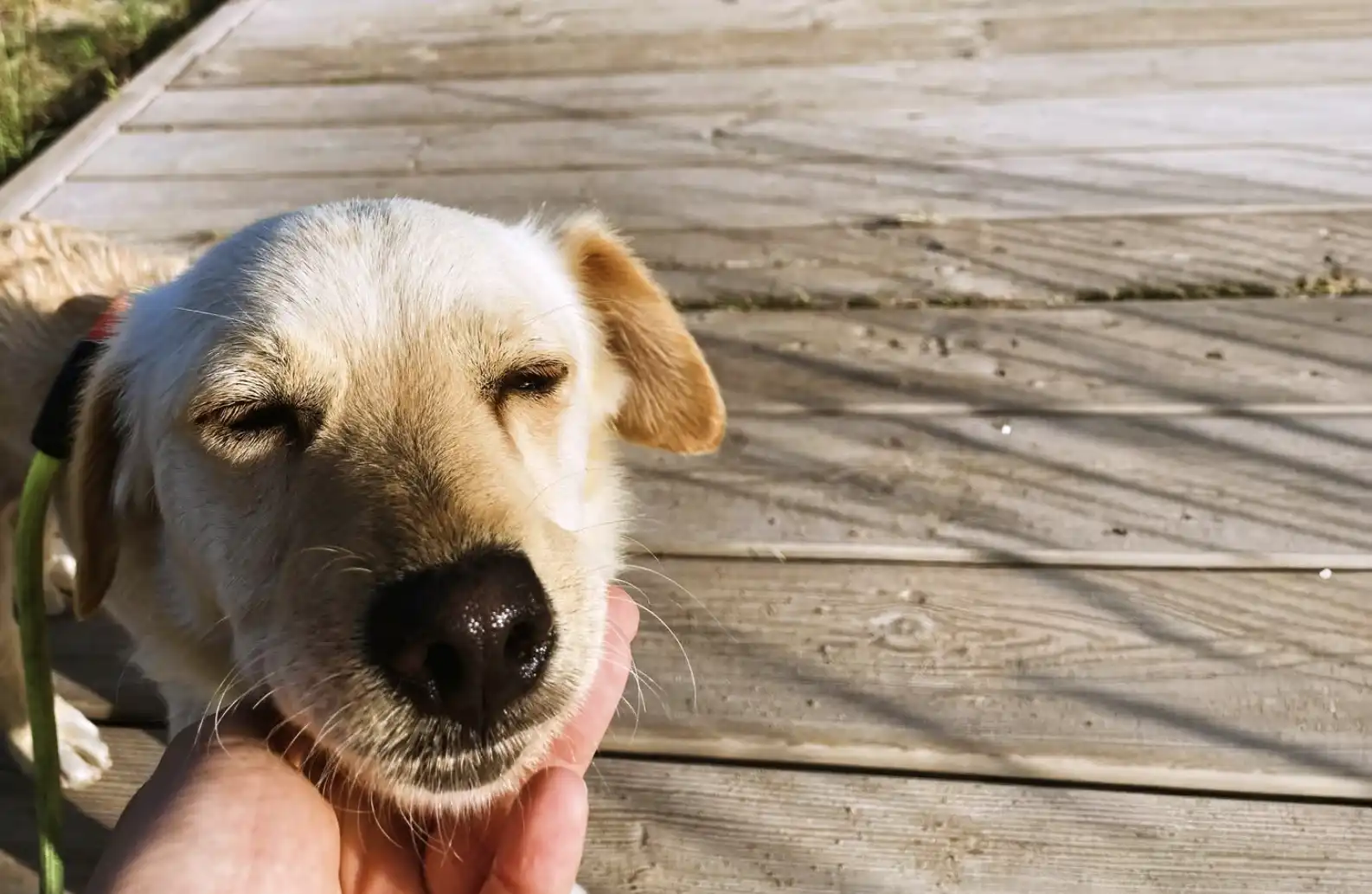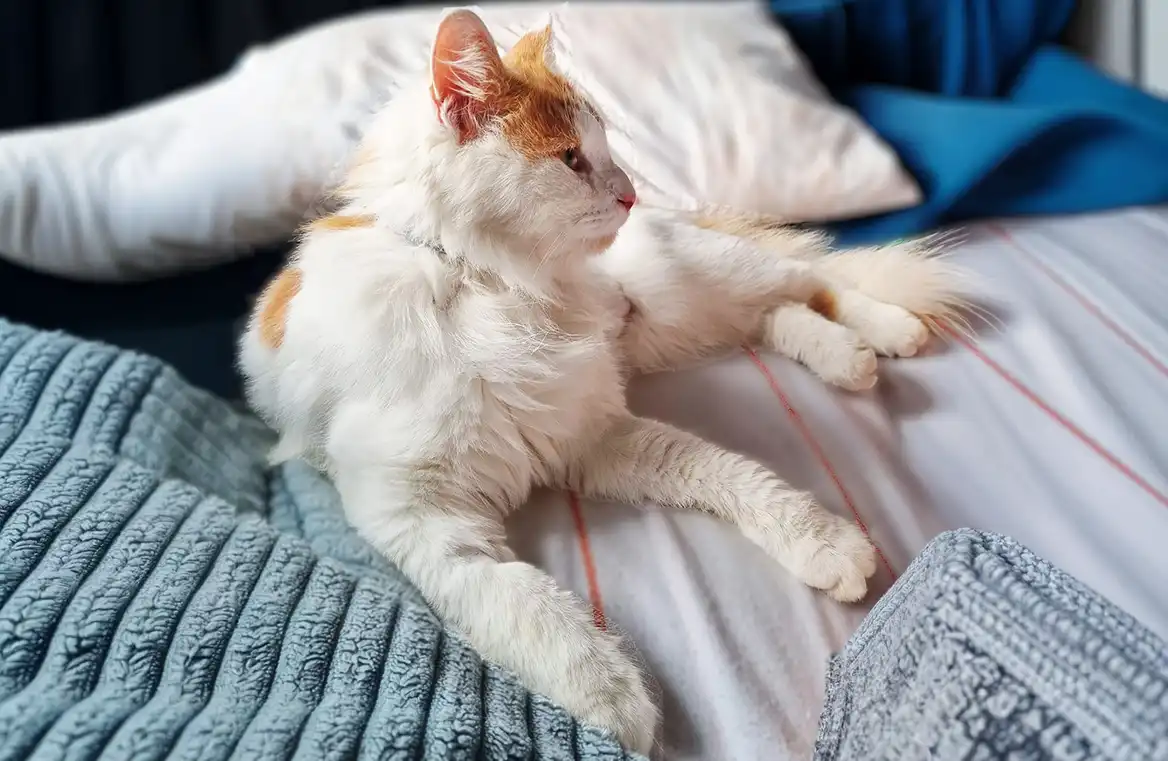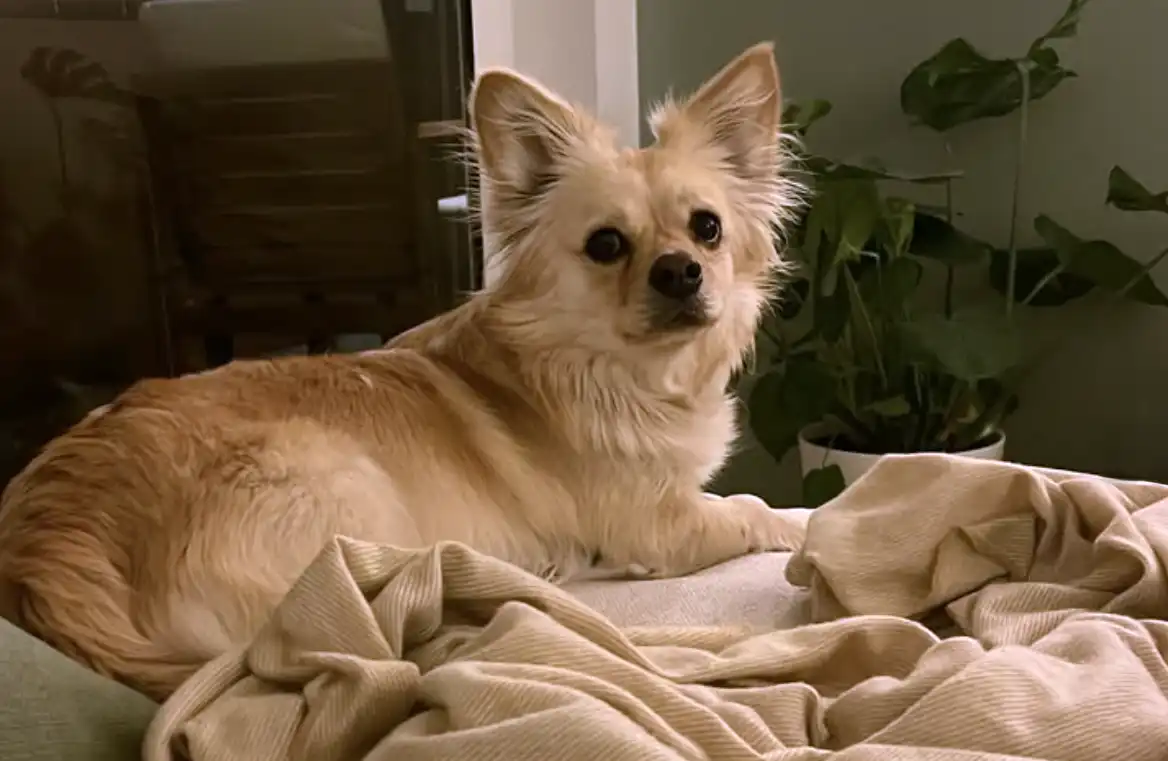
Türkiye is home to a large population of stray cats and dogs. This reality is shaped by multiple factors, including urban growth, limited access to spay and neuter programs, abandonment, and the capacity limits of shelters and temporary care facilities.
Our focus is not to dramatise this situation, but to work toward responsible, sustainable, and respectful solutions.
There are many individuals and volunteer groups in Türkiye working tirelessly for animal welfare. However, the number of animals in need often exceeds the resources available.
Shelters and foster networks frequently operate at full capacity. In these circumstances, local solutions alone are not always sufficient. International adoption becomes one way to share responsibility and create new opportunities for animals to move forward.
International adoption is not a quick or casual process. It is carefully planned, time-intensive, and requires a high level of responsibility.
A key part of this process is spaying and neutering. All cats and dogs included in our international adoption program are adopted neutered, provided their health condition allows it.
This approach supports the animal’s long-term wellbeing and helps prevent uncontrolled breeding, contributing to animal welfare on a broader scale.
Each adoption is built on veterinary care, spaying or neutering, legal procedures, a foster care period, and ongoing communication between all parties involved.
For us, spaying and neutering is not simply a medical procedure, it is a fundamental part of responsible adoption.
By ensuring animals are neutered before adoption:
International adoption only becomes meaningful when it is approached with this level of responsibility.
In some countries:
For certain animals, this can mean greater stability and long-term security. What matters most to us is not where an animal lives, but the quality of life they are able to have.
This is an important point.
Not every cat or dog is suitable for international adoption, and not every animal should be rehomed abroad.
Decisions are made based on:
For many animals, local adoption remains the most appropriate option.
We see international adoption not as a solution on its own, but as a shared responsibility.
Foster families, veterinarians, volunteers, and adoptive families all play equal roles in this process. Transparency, communication, and trust are essential at every step.
Our goal is not to relocate as many animals as possible, but to match the right animal with the right family at the right time.
We do this by:
Because sustainable animal welfare depends on thoughtful, responsible decisions.
Rehoming cats and dogs from Türkiye is not driven by urgency narratives, but by ethical responsibility and global cooperation.
Every animal deserves a safe, stable life. Our role is to support that journey with care, respect, and transparency.